Architecture
A developer-oriented overview of how LCXL Remote Desk is put together. For a gentler introduction, see Core Concepts.
Connection & Media Path
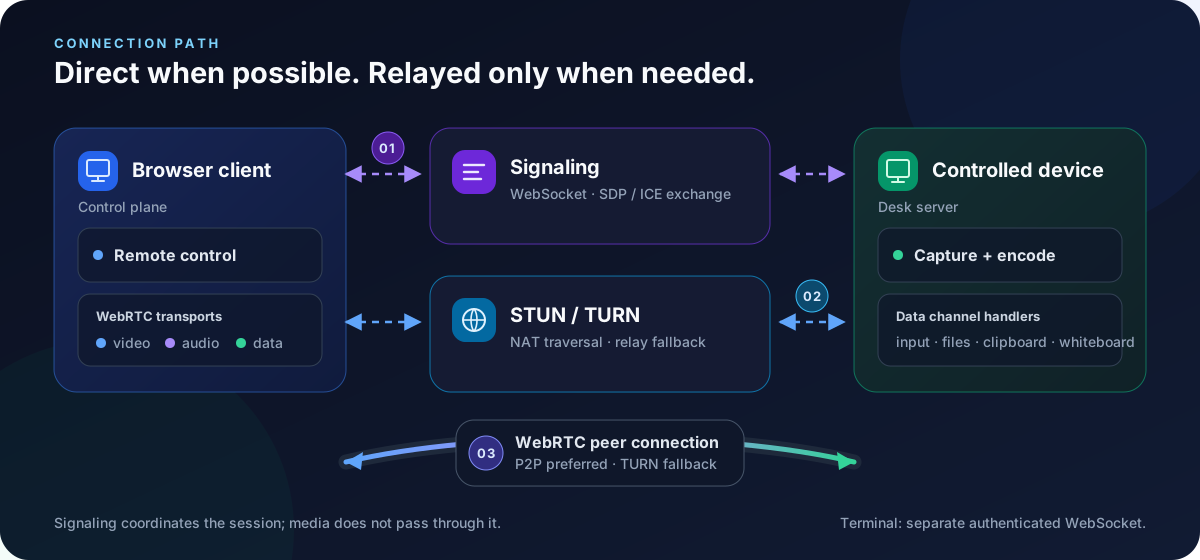
The browser and remote device exchange SDP / ICE through the signaling service and use STUN/TURN to gather candidates. They prioritize a direct WebRTC P2P connection and fall back to TURN relay only when NAT traversal fails. Signaling and TURN are built into the server. The terminal is intentionally separate from WebRTC data channels and uses its own authenticated WebSocket.
Process Model (service-daemon)
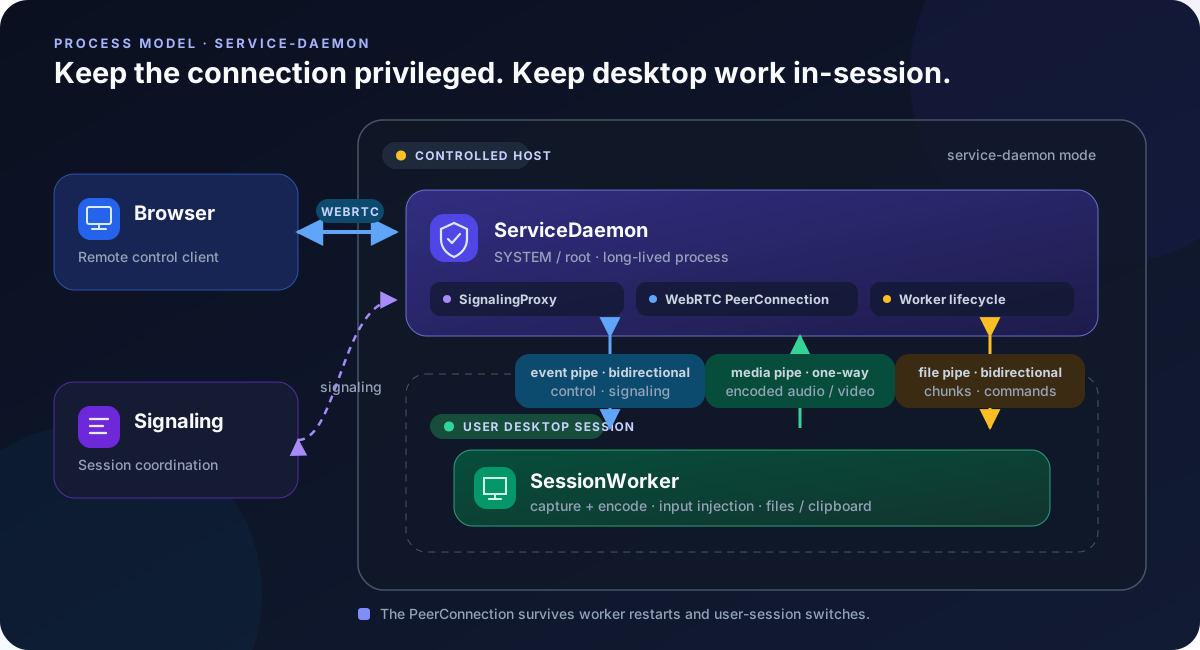
The ServiceDaemon (SYSTEM / root) owns the WebRTC connection, signaling, and child processes; it spawns a SessionWorker per desktop session for capture, encoding, input, files, and clipboard. The peer connection lives in the daemon, so workers can restart during user switching without dropping the browser connection.
Daemon and worker use three independent transports: a bidirectional event pipe for signaling and control, a one-way media pipe for encoded audio/video, and a bidirectional file pipe for file commands and chunks. Portable default and desk-server modes reuse the same logical daemon/worker path with in-process channels.
AI Diagnostic Pipeline
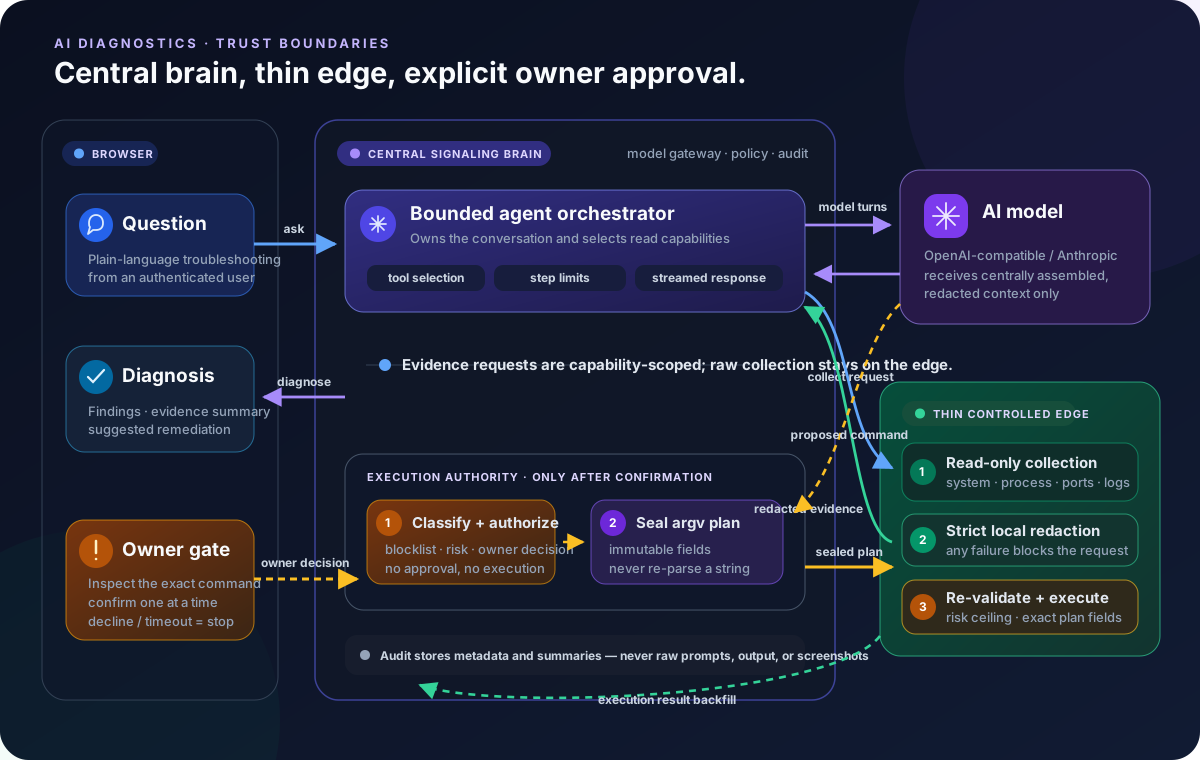
The central orchestrator runs collect → redact → model → render and fails closed on edge redaction. A model may suggest a command, but only the authenticated owner can approve the exact preview; the host receives a sealed plan and revalidates it before execution. The MCP service remains read-only. See the AI Security Model.
Tech Stack
Backend — Rust (Edition 2024, 1.90+), Actix-Web 4.11, webrtc-rs 0.17, Actix-Session, Utoipa 5 (OpenAPI), turn 0.17, Prometheus.
Frontend — React 19, TailwindCSS + Shadcn UI (Radix), Vite 7, Kubb (OpenAPI → React Query / TS), TypeScript 5.9, xterm.js 5.5, TanStack Query v5.
Multimedia — capture via DXGI / WGC (Windows), X11 / Wayland + PipeWire (Linux); encode via X264 / OpenH264 / VP8 / VP9 / AV1; audio via WASAPI / ALSA / PipeWire + Opus.
See the Module Map for crate-level detail.